

The Entrepreneur Club: Building Your Network in 2026
Entrepreneurship can feel isolating, especially during the early stages when you're validating ideas, seeking funding, or navigating regulatory complexities. The entrepreneur club has emerged as a powerful solution to this challenge, offering founders a structured environment to connect with peers, access mentorship, and accelerate their growth trajectory. Whether you're launching your first startup or scaling your third venture, joining or creating the right entrepreneurial community can dramatically impact your success rate and personal development.
What Makes The Entrepreneur Club Essential for Founders
The entrepreneur club serves as more than just a networking group. It functions as an ecosystem where founders exchange tactical knowledge, share resources, and build lasting relationships that transcend typical business connections.
In Switzerland's competitive startup landscape, these clubs have become indispensable for entrepreneurs seeking to navigate the unique challenges of building businesses in a highly regulated, multilingual market. Understanding entrepreneur groups can help you identify the right community for your needs.
Core Benefits That Drive Membership Growth
Access to Experienced Mentors
The entrepreneur club typically attracts successful founders who've already navigated the challenges you're currently facing. These mentors provide guidance on everything from product-market fit to fundraising strategies without the formal constraints of advisory relationships.
Peer Learning and Accountability
When you surround yourself with ambitious founders, you naturally elevate your standards and expectations. The collective intelligence within the entrepreneur club creates opportunities for rapid learning that individual research simply cannot match.
- Weekly mastermind sessions addressing specific business challenges
- Skill-sharing workshops led by members with specialized expertise
- Accountability partnerships keeping founders on track with goals
- Resource pooling for software tools, legal templates, and vendor recommendations
Strategic Partnership Opportunities
Many successful ventures emerge from connections made within the entrepreneur club environment. Co-founder relationships, strategic partnerships, and early customer acquisition often stem from these trusted networks.

Structuring Your Entrepreneur Club for Maximum Impact
Creating or joining the entrepreneur club requires understanding the organizational elements that separate thriving communities from those that fade after initial enthusiasm.
Defining Clear Objectives and Member Criteria
Successful clubs establish specific goals that align member expectations. Are you focused on early-stage bootstrapped ventures, venture-backed startups, or specific industries? The University of Utah's Entrepreneur Club demonstrates how clear positioning attracts the right participants.
| Club Type | Primary Focus | Ideal Members | Meeting Frequency |
|---|---|---|---|
| Industry-Specific | Deep domain expertise | Founders in same sector | Monthly deep-dives |
| Stage-Based | Growth challenges | Similar funding stages | Bi-weekly tacticals |
| Skill Development | Capability building | Mixed experience levels | Weekly workshops |
| Investment-Focused | Fundraising and growth | Venture-backed founders | Quarterly strategy |
Creating Engaging Programming That Members Value
The entrepreneur club must deliver consistent value to maintain engagement. Programming should balance educational content with practical application and relationship building.
Monthly Featured Speaker Series
Invite successful entrepreneurs to share their journeys, challenges, and lessons learned. Swisspreneur's podcast features candid conversations with founders that can inspire your programming approach.
Structured Mastermind Sessions
Small group discussions where 4-6 founders address specific challenges create deep connections and actionable insights. These sessions form the backbone of the entrepreneur club experience.
Hands-On Workshops and Skill Shares
Members teaching members creates reciprocal value. Topics might include pitch deck reviews, financial modeling, content marketing, or sales strategies.
Building Community Culture Within The Entrepreneur Club
The strongest entrepreneur clubs develop distinct cultures that reflect their members' values and aspirations. Culture determines whether your club becomes a transformative force or just another calendar commitment.
Establishing Guidelines and Expectations
Clear standards ensure productive, respectful interactions. The Young Entrepreneur Club's Code of Conduct provides an excellent framework for setting behavioral expectations.
Key Cultural Elements to Define:
- Confidentiality standards for sensitive business discussions
- Participation expectations regarding attendance and engagement
- Giving-first mentality encouraging members to contribute before asking
- Inclusive practices welcoming diverse perspectives and backgrounds
- Professional boundaries maintaining respect while building friendships
Leveraging Technology for Connection and Collaboration
The entrepreneur club in 2026 seamlessly blends in-person gatherings with digital tools that maintain momentum between meetings. Successful clubs use platforms strategically rather than overwhelming members with notifications.
Consider creating private Slack channels for ongoing discussions, shared document repositories for resources, and scheduling tools that accommodate busy founder calendars. However, technology should enhance rather than replace face-to-face interactions.
Digital Infrastructure That Works:
- Dedicated communication platform with organized channels
- Shared resource library with templates and guides
- Member directory with expertise tags for easy connections
- Event calendar integrated with personal scheduling tools
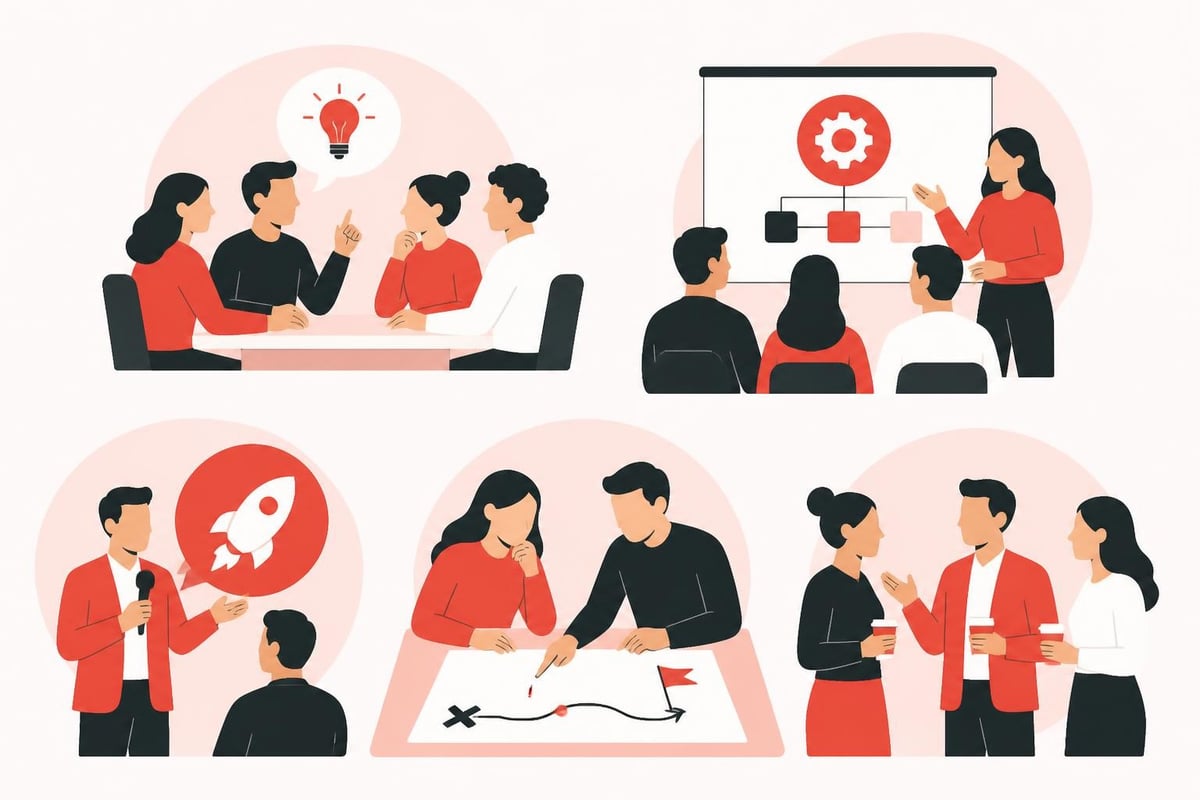
Finding or Creating The Right Entrepreneur Club for Your Journey
Not all entrepreneurial communities serve the same needs. Your stage, industry, and personal goals should guide your decision about which entrepreneur club to join or whether to start your own.
Evaluating Existing Clubs Before Joining
Research several options before committing your limited time and energy. Attend guest sessions when possible to assess fit. Mississippi State University's Entrepreneurship Club exemplifies how established clubs showcase their value proposition to potential members.
Questions to Ask During Your Evaluation:
- What specific challenges do current members face regularly?
- How does the club measure and track member success?
- What time commitment does active participation require?
- Are there membership fees and what do they cover?
- How does leadership facilitate discussions and resolve conflicts?
Switzerland offers numerous founder events where you can explore different communities before making commitments.
Launching Your Own Entrepreneur Club
Sometimes the community you need doesn't exist yet. Starting the entrepreneur club from scratch allows you to build the exact environment you envision, but requires significant organizational effort. This comprehensive guide on starting an entrepreneur club provides detailed steps for founders ready to take this path.
Essential Launch Steps:
- Define your unique value proposition and target member profile
- Recruit 5-10 committed founding members who share your vision
- Establish clear governance structure with defined roles
- Create compelling programming for the first six months
- Set up operational infrastructure including communication tools
- Plan your growth strategy balancing intimacy with scale
Starting with a small, committed core group allows you to refine your approach before expanding. Many successful entrepreneur clubs began with just a handful of founders meeting in coffee shops.
Maximizing Your Entrepreneur Club Membership Experience
Passive participation yields minimal results. Active engagement transforms the entrepreneur club from a networking group into a career-defining resource.
Contributing Value Before Extracting It
The most successful club members embrace a giving-first approach. Share your expertise, make introductions, provide feedback, and offer support before requesting help.
This reciprocal dynamic creates trust and positions you as a valuable community member rather than someone just taking from the network. Consider how you might help fellow members with challenges you've already solved, whether that's navigating founder agreements or building initial sales pipelines.
Setting Clear Goals for Your Participation
What do you want to achieve through the entrepreneur club?
Defining specific objectives helps you focus your energy and measure progress. Goals might include finding a technical co-founder, securing your first five enterprise customers, or developing public speaking skills.
| Goal Type | Example Objectives | Club Activities to Leverage |
|---|---|---|
| Skill Development | Master financial modeling | Workshop attendance, 1-on-1 mentoring |
| Network Expansion | Connect with 10 potential partners | Strategic introductions, events |
| Fundraising | Secure seed round | Pitch practice, investor connections |
| Product Validation | Get 50 user interviews | Member testing, referrals |
Track your progress quarterly and adjust your participation strategy accordingly. Share your goals with trusted club members who can hold you accountable and provide targeted support.
Building Deeper Relationships Beyond Structured Events
The entrepreneur club's greatest value often emerges from informal connections made outside official programming. Grab coffee with members whose businesses complement yours, organize small group dinners, or create project-based collaborations.
These deeper relationships provide the psychological support essential during entrepreneurship's inevitable challenges. Knowing someone truly understands your struggles makes difficult decisions more manageable.

Integrating The Entrepreneur Club With Other Growth Resources
Smart founders recognize that the entrepreneur club functions best as part of a comprehensive support ecosystem rather than as their sole resource.
Combining Community With Structured Learning
While peer learning provides immense value, combining the entrepreneur club with formal education accelerates growth. Participate in masterclasses, online courses, and industry conferences that complement your community involvement.
For Swiss entrepreneurs, platforms like Swisspreneur offer free masterclasses and regular events that enhance what you learn from peers. This combination of structured knowledge and practical peer insights creates powerful learning synergy.
Balancing Multiple Communities Strategically
You might benefit from participating in several communities serving different needs. Perhaps one entrepreneur club focuses on your industry while another addresses your growth stage, and a third connects you with potential investors.
However, spreading yourself too thin diminishes returns everywhere. Limit yourself to 2-3 active communities maximum, ensuring you can participate meaningfully in each.
Strategic Community Portfolio:
- Primary club: Your core community with deep engagement
- Secondary group: Specialized focus complementing primary club
- Occasional participation: Industry associations, alumni networks
Leveraging Club Connections for Business Development
The entrepreneur club naturally creates business opportunities when approached authentically. Members become early customers, strategic partners, advisors, and evangelists for your venture.
Avoid treating the community purely as a sales channel, which erodes trust quickly. Instead, focus on solving real problems for fellow members. When your solution genuinely helps someone, they'll become your most powerful advocates.
Consider how the Entrepreneur Social Club facilitates authentic connections that naturally lead to business relationships without forced sales tactics.
Measuring The Entrepreneur Club's Impact on Your Venture
Quantifying community benefits helps justify your time investment and identify areas for improvement. While some impacts manifest immediately, others compound over years.
Short-Term Metrics Worth Tracking
Immediate value indicators include:
- Number of qualified introductions received monthly
- Business problems solved through community input
- New skills or knowledge acquired from members
- Collaboration opportunities identified and pursued
- Customer referrals generated through network
Document these outcomes in a simple spreadsheet or journal. Reviewing quarterly reveals patterns about which club activities deliver the most value for your specific needs.
Long-Term Value That Compounds Over Time
The entrepreneur club's greatest benefits often emerge years after joining. Co-founder relationships, major partnerships, key investor connections, and career-defining opportunities frequently trace back to casual club interactions.
Many successful Swiss founders attribute significant milestones to connections made through entrepreneurial communities. Startup business coaching relationships often begin as peer connections within clubs before evolving into formal advisory arrangements.
When to Transition Roles Within Your Community
As you progress from early-stage founder to experienced entrepreneur, your relationship with the entrepreneur club should evolve. Consider taking on leadership responsibilities, mentoring newer members, or helping expand the community.
This transition from participant to contributor creates new value for everyone. Your experience becomes invaluable for others facing similar challenges, and teaching reinforces your own learning while expanding your leadership capabilities.
Navigating Common Entrepreneur Club Challenges
Even the best communities face obstacles that can derail momentum without proactive management. Understanding these challenges helps you navigate them effectively.
Maintaining Engagement Through Growth Phases
As the entrepreneur club expands, maintaining intimacy becomes challenging. Large groups struggle with the trust and vulnerability essential for meaningful peer learning.
Consider implementing tiered membership structures, small cohort systems, or specialized subgroups that preserve intimacy while allowing overall growth. District 7 Toastmasters' best practices offer insights on maintaining quality as clubs scale.
Addressing Free Rider Problems
Some members extract value without contributing, creating resentment and undermining community culture. Clear expectations from the start, plus gentle accountability from leadership, minimize this issue.
When someone consistently takes without giving, private conversations usually resolve the imbalance. If not, protecting the community's culture sometimes requires parting ways with members who don't align with core values.
Balancing Diverse Member Needs and Interests
The entrepreneur club typically includes founders at different stages, industries, and growth trajectories. Creating programming that serves everyone while remaining focused requires thoughtful design.
Offer varied formats addressing different needs rather than trying to make every event perfect for every member. Survey your community regularly to understand evolving priorities and adjust accordingly.
The Future of The Entrepreneur Club in Switzerland's Ecosystem
Switzerland's entrepreneurial landscape continues evolving rapidly, with the entrepreneur club adapting to serve emerging needs. Understanding these trends helps you position yourself for maximum advantage.
Hybrid Models Blending Digital and Physical Interaction
The pandemic permanently changed how communities operate. Successful entrepreneur clubs in 2026 seamlessly integrate in-person depth with digital convenience, allowing participation regardless of geography.
This hybrid approach particularly benefits Swiss founders in smaller cities who can now access Zurich or Geneva-based communities without constant travel. However, preserving the human connection that makes clubs valuable remains essential.
Specialized Communities Serving Niche Audiences
As the entrepreneurial ecosystem matures, increasingly specialized clubs emerge serving specific industries, demographics, or business models. Solo entrepreneurs might seek different communities than venture-backed founders building large teams.
This specialization creates deeper value for participants while requiring more intentional community selection. Finding the entrepreneur club that precisely matches your situation becomes increasingly important.
Integration With Broader Startup Support Infrastructure
The most effective entrepreneur clubs don't operate in isolation but connect members to the full ecosystem of resources needed for success. These communities facilitate introductions to investors, customers, service providers, and talent.
Platforms focusing on comprehensive founder support recognize that community represents just one element of what entrepreneurs need. Entrepreneur tips combined with networking opportunities, educational content, and practical tools create the complete package.
The entrepreneur club has evolved from casual networking groups into sophisticated communities that significantly impact startup success rates and founder wellbeing. By choosing or creating the right community, engaging actively, and integrating club participation with other growth resources, you position yourself for accelerated achievement and meaningful relationships that extend far beyond business. Whether you're seeking mentorship, partnerships, or simply connection with people who understand your journey, Swisspreneur provides the resources, events, and community you need to thrive in Switzerland's dynamic startup ecosystem.