

Start Up Meet Up: Your Guide to Networking Success
Networking remains the lifeblood of entrepreneurial success, and a well-organized start up meet up can transform isolated founders into a thriving community. Whether you're launching your first venture in Zurich, scaling operations in Geneva, or exploring new markets across Switzerland, these gatherings offer invaluable opportunities to connect with peers, find mentors, attract investors, and discover collaborators. The Swiss startup ecosystem has evolved dramatically over the past decade, with entrepreneurs recognizing that success rarely happens in isolation. A strategic approach to meetups can accelerate your business growth, open doors to unexpected partnerships, and provide the support system every founder needs during challenging times.
Why Start Up Meet Ups Matter for Swiss Entrepreneurs
The entrepreneurial journey often feels lonely, especially during early stages when resources are scarce and challenges seem insurmountable. A start up meet up creates a dedicated space where founders can share experiences, celebrate wins, and navigate obstacles together.
Swiss entrepreneurs face unique challenges that make these gatherings particularly valuable. The country's multilingual landscape, diverse cantonal regulations, and distinct business culture require local knowledge that generic advice cannot address. When you attend a meetup specifically designed for the Swiss market, you gain insights tailored to your operating environment.
Key benefits of regular startup meetups include:
- Access to experienced mentors who understand Swiss market dynamics
- Connections with potential co-founders and early team members
- Direct introductions to investors familiar with local funding landscape
- Real-time feedback on business models and product development
- Opportunities to practice pitches in a supportive environment
- Insights into navigating Swiss legal and regulatory frameworks
Research shows that entrepreneurs who actively participate in entrepreneur groups are significantly more likely to secure funding and achieve sustainable growth. These communities provide both practical assistance and emotional support during the inevitable ups and downs of building a company.

Planning Your First Start Up Meet Up
Organizing a successful start up meet up requires careful planning and attention to detail. The logistics may seem overwhelming initially, but breaking the process into manageable steps makes it achievable even for first-time organizers.
Defining Your Meetup Purpose and Audience
Before sending invitations or booking venues, clarify what you want to accomplish. Different meetup formats serve different purposes, and trying to be everything to everyone typically results in mediocrity.
Consider these distinct meetup types:
| Meetup Type | Primary Goal | Ideal Frequency | Typical Size |
|---|---|---|---|
| Networking Sessions | Building connections | Monthly | 30-50 people |
| Learning Workshops | Skill development | Quarterly | 15-25 people |
| Pitch Practices | Investor readiness | Monthly | 10-20 people |
| Industry-Specific | Sector knowledge | Bi-monthly | 20-40 people |
Your audience definition shapes every subsequent decision. Are you targeting early-stage founders, growth-stage CEOs, technical co-founders, or a mix? Will you focus on specific industries like fintech, healthtech, or sustainability? The comprehensive guide to organizing successful tech meetups emphasizes that understanding your audience is foundational to creating valuable experiences.
Selecting the Right Venue and Format
Switzerland offers diverse venue options, from co-working spaces and innovation hubs to university facilities and corporate event spaces. Your venue choice communicates volumes about your meetup's culture and accessibility.
Essential venue considerations:
- Location accessibility: Choose central locations near public transportation
- Capacity flexibility: Ensure space can accommodate growth without feeling empty initially
- Technical infrastructure: Verify WiFi reliability, presentation equipment, and acoustics
- Ambiance: Select spaces that encourage conversation rather than formal distance
- Cost structure: Balance budget constraints with quality expectations
Format decisions significantly impact attendee experience. Will your start up meet up feature keynote speakers, panel discussions, roundtable conversations, or open networking? Many successful organizers combine structured content with unstructured mingling time. According to Meetup's official organizing guide, mixing formats keeps regular attendees engaged while attracting new participants.
The founder events landscape in Switzerland demonstrates that successful gatherings typically allocate 40% of time to structured content and 60% to networking. This ratio allows attendees to learn while building meaningful relationships.
Attracting and Engaging Attendees
Even the best-planned start up meet up fails without attendees. Marketing your event requires understanding where your target audience spends time and what motivates them to participate.
Promotion Strategies That Work
Digital channels dominate event promotion in 2026, but personal outreach remains surprisingly effective. Multi-channel approaches typically yield the best results for emerging meetup communities.
Effective promotion channels:
- LinkedIn posts and event pages targeting Swiss startup professionals
- Industry-specific Slack communities and Discord servers
- Email newsletters through partner organizations
- University entrepreneurship programs and incubators
- Co-working space bulletin boards and community managers
- Local startup ecosystem websites and calendars
The key is consistency rather than one-off blasts. Regular communication builds anticipation and establishes your meetup as a recurring fixture in attendees' calendars. TIME's tips for running successful entrepreneur meetups emphasizes that setting clear expectations about what attendees will gain significantly improves turnout.
Don't underestimate the power of your existing network. Personal invitations from trusted connections carry more weight than generic announcements. If you've built relationships through online business communities, leverage those connections to seed your initial attendance.
Creating Valuable Content and Experiences
Attendance means nothing if participants leave disappointed. Delivering consistent value transforms one-time attendees into regular participants and brand ambassadors.
Consider these content formats for your start up meet up:
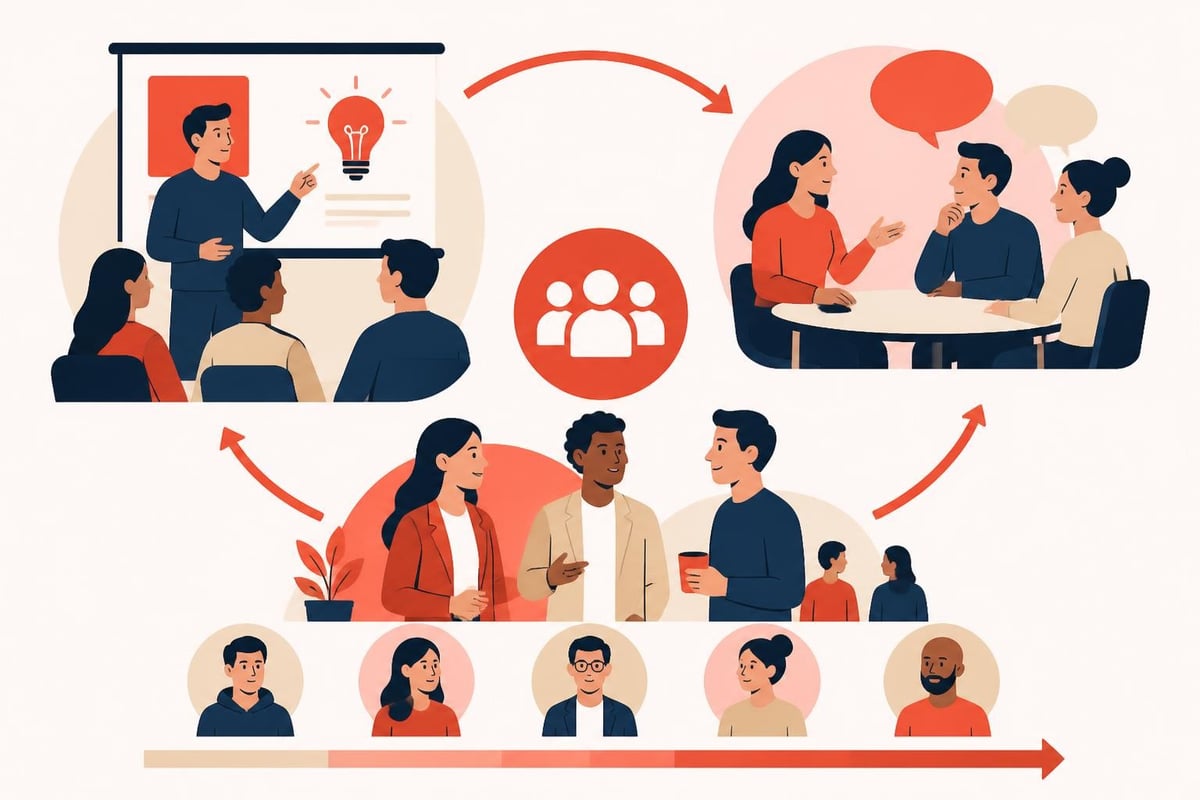
- Expert presentations (20-30 minutes) on timely topics relevant to Swiss founders
- Fireside chats with successful entrepreneurs sharing authentic journeys
- Speed networking sessions with structured introduction frameworks
- Problem-solving workshops tackling common startup challenges
- Resource sharing where attendees exchange tools, contacts, and opportunities
The most valuable meetups create space for authentic conversation rather than polished performances. Attendees appreciate learning from both successes and failures, particularly when speakers share specific details rather than generic platitudes.
Building Community Through Consistent Execution
A single successful start up meet up creates momentum, but sustainable community requires consistent execution over months and years. The difference between a flash-in-the-pan event and a thriving ecosystem lies in deliberate community building.
Establishing Meetup Rhythms and Rituals
Consistency breeds trust and habit formation. When attendees know your meetup happens every third Thursday at 6:30 PM, they can plan accordingly and prioritize attendance.
Rhythm considerations:
| Frequency | Advantages | Challenges | Best For |
|---|---|---|---|
| Weekly | Strong habit formation | High organizer commitment | Large metropolitan areas |
| Bi-weekly | Good momentum | Moderate effort | Mid-sized communities |
| Monthly | Sustainable long-term | Less habit formation | Most startup communities |
| Quarterly | Lower burnout risk | Reduced community cohesion | Specialized topics |
Beyond timing, rituals create identity and belonging. Perhaps your start up meet up always starts with founders sharing recent wins and challenges. Maybe you close each gathering by announcing upcoming opportunities or recognizing community contributions. These predictable elements help newcomers integrate while giving regulars touchstones they appreciate.
The logistics and structure guide for local tech meetups suggests that successful organizers automate repetitive tasks while personalizing attendee interactions. This balance allows sustainable scaling without sacrificing the human connection that makes meetups valuable.
Fostering Meaningful Connections
Attendance numbers matter less than relationship quality. A start up meet up with 15 engaged participants who build lasting connections delivers more value than a 100-person event where everyone remains strangers.
Intentional connection facilitation makes the difference. Consider implementing:
- Name tags with company names and specific interests or needs
- Structured introduction activities that go beyond basic networking
- Small group discussions on focused topics before large group sharing
- Digital platforms for ongoing communication between meetups
- Follow-up mechanisms connecting attendees with shared interests
Many Swiss entrepreneurs report that their most valuable business relationships began at casual meetups where thoughtful organizers created connection opportunities. The Swiss startup mafia map illustrates how interconnected successful founders become through consistent community participation.
Measuring Success and Iterating
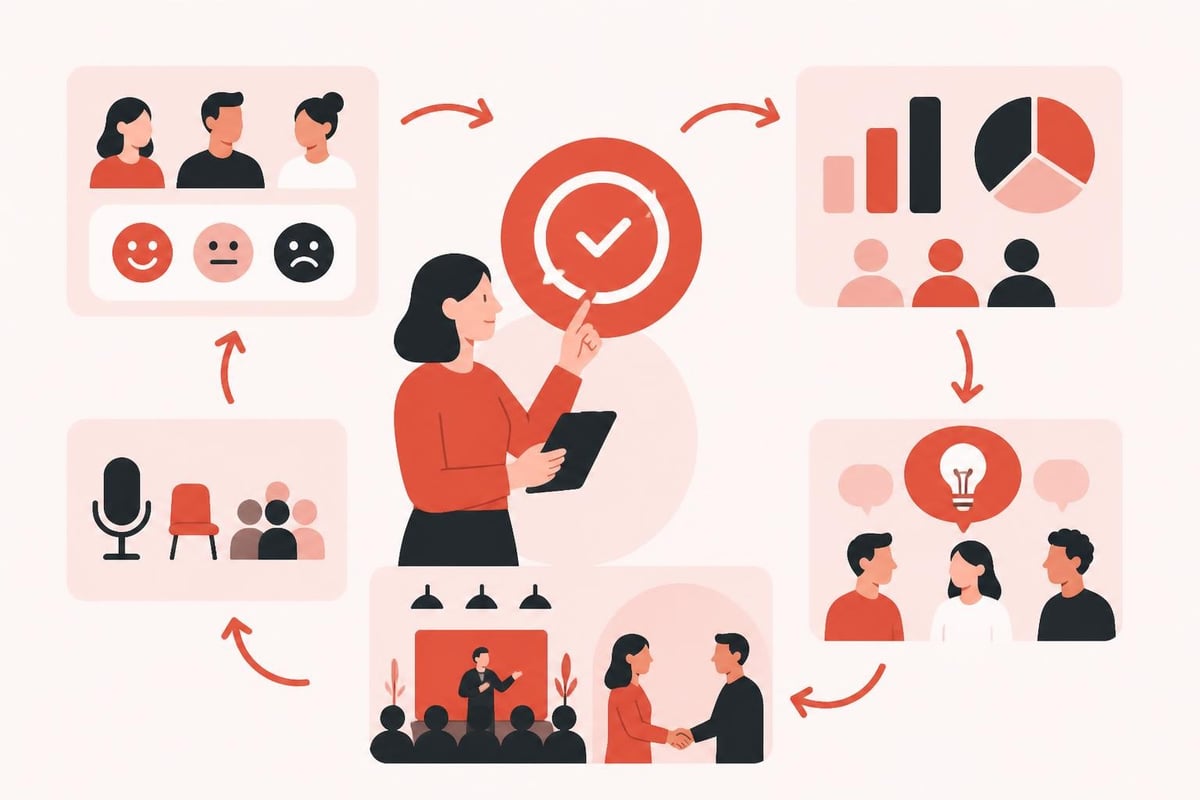
Like any business initiative, your start up meet up requires measurement and continuous improvement. Without feedback loops, you'll struggle to understand what works and what needs adjustment.
Key Metrics to Track
Quantitative metrics provide objective performance indicators, while qualitative feedback reveals the nuances that numbers miss.
Essential metrics include:
- Attendance rate and growth trajectory over time
- First-time versus repeat attendee ratios
- Average attendee engagement during sessions
- Post-event survey response rates and satisfaction scores
- Connections made and partnerships formed
- Resource sharing and collaboration instances
Don't obsess over vanity metrics like total registrations if actual attendance remains low. Focus on indicators that reflect genuine value creation and community health.
Gathering and Acting on Feedback
Post-event surveys provide structured feedback, but informal conversations often yield richer insights. Make yourself available after each start up meet up to hear candid reactions and suggestions.
The Open Source Security Foundation's meetup guidelines recommend creating multiple feedback channels to capture diverse perspectives. Some attendees prefer anonymous surveys, while others enjoy direct conversations with organizers.
Effective feedback questions:
- What was the most valuable part of tonight's meetup?
- What could we improve for next time?
- What topics would you like us to cover in future sessions?
- Would you recommend this meetup to other entrepreneurs? Why or why not?
- What resources or connections are you currently seeking?
Act visibly on feedback to demonstrate that attendee input shapes your programming. When someone suggests a topic and you feature it in a subsequent meetup, acknowledge their contribution publicly. This responsiveness builds trust and encourages ongoing participation.
Leveraging Technology for Meetup Management
Modern tools simplify many aspects of organizing a start up meet up, from registration and communication to content delivery and follow-up. Strategic technology adoption frees organizers to focus on relationship building rather than administrative tasks.
Essential Tools and Platforms
Your technology stack should enhance rather than complicate the attendee experience. Start simple and add complexity only when clear benefits justify the added friction.
Recommended tool categories:
- Event management platforms for registration, reminders, and attendee tracking
- Communication tools for announcements, discussions, and resource sharing
- Presentation software that facilitates interactive engagement
- Survey applications for gathering structured feedback efficiently
- CRM systems for managing attendee relationships over time
The best practices guide from Wiredcraft emphasizes automation for routine tasks while maintaining personal touches for relationship-critical interactions. Automated reminder emails ensure attendance, but personalized welcome messages make newcomers feel valued.
Many Swiss startup communities use combination approaches, pairing established platforms like Meetup.com with specialized tools for specific needs. The key is consistency, ensuring that attendees know where to find information and how to engage between events.
Building Your Online Presence
Your start up meet up needs a digital home where potential attendees can learn about your community, access resources, and stay updated on upcoming events. This presence extends your impact beyond physical gatherings.
Effective digital presence typically includes:
- A dedicated landing page explaining your meetup's purpose and upcoming schedule
- Active social media accounts sharing insights and highlighting community members
- Email newsletters providing value beyond event announcements
- Resource repositories where attendees can access presentations and materials
- Discussion forums enabling ongoing conversation between meetups
The template and guide from Shipyard demonstrates how successful tech meetup organizers create comprehensive digital experiences that complement in-person gatherings. These resources become increasingly valuable as your community grows and scales.
Monetization and Sustainability Considerations
While many startup meetups begin as volunteer efforts, sustainable growth often requires funding. Understanding your options helps you build a meetup that can serve your community for years rather than burning out after a few months.
Funding Models That Work
Different funding approaches suit different community stages and organizer preferences. The right model aligns with your values while covering actual costs.
| Funding Model | Advantages | Considerations | Best Timing |
|---|---|---|---|
| Free (volunteer-run) | Low barrier to entry | Organizer burnout risk | Early stages |
| Attendee fees | Direct value exchange | May limit accessibility | Established meetups |
| Sponsorships | Professional production | Balancing sponsor interests | Growth phase |
| Partnership models | Shared resources | Coordination complexity | Mature communities |
Many successful start up meet ups operate on hybrid models, keeping attendance free while accepting sponsorships for venue, food, or special programming. This approach maintains accessibility while enabling quality experiences.
Sponsorship relationships work best when aligned with attendee interests. A cloud infrastructure provider sponsoring a technical workshop creates natural fit, while unrelated sponsors may feel forced. The key is ensuring sponsors add value rather than merely seeking exposure.
Managing Organizer Workload
Sustainability depends equally on financial viability and organizer energy. Burnout destroys more meetup communities than funding challenges.
Workload management strategies:
- Build an organizing team rather than relying on a single person
- Rotate responsibilities to prevent monotony and distribute knowledge
- Create playbooks documenting processes for efficiency and succession planning
- Set realistic frequency based on available time rather than ambitious ideals
- Celebrate small wins to maintain motivation during challenging periods
The guide to organizing successful community meetups emphasizes that long-term success requires treating organizing as a marathon rather than a sprint. Pace yourself accordingly, building systems that enable consistency without exhaustion.
Specialized Meetup Formats for Different Needs
Not every start up meet up should follow the same formula. Tailoring formats to specific needs creates more targeted value for distinct audience segments within your broader entrepreneurial community.
Industry-Specific Gatherings
Swiss entrepreneurs in fintech face different challenges than those in medtech or cleantech. Industry-focused meetups allow deeper dives into sector-specific topics, regulations, and opportunities.
These specialized gatherings might occur less frequently than general networking events but deliver concentrated value. Attendees appreciate connecting with peers facing similar technical, regulatory, or market challenges. The entrepreneur tips shared in focused settings tend to be more actionable than generic advice.
Stage-Specific Communities
A founder bootstrapping their first product has different needs than a CEO managing their third venture. Segmenting meetups by company stage creates safe spaces for candid conversation.
Stage-specific formats:
- Idea stage: Validation workshops and co-founder matching sessions
- Early traction: Growth hacking tactics and customer development strategies
- Scaling phase: Team building, systems creation, and fundraising preparation
- Established ventures: Exit planning, portfolio entrepreneurship, and mentoring next generation
This segmentation doesn't require separate organizations. Many successful communities host general monthly meetups supplemented by quarterly stage-specific sessions.
Skills and Knowledge Exchange
Some of the most valuable start up meet ups focus entirely on skill development rather than networking. These learning-oriented gatherings help founders fill knowledge gaps without expensive courses.
Workshop topics might include financial modeling, content marketing, sales techniques, legal fundamentals, or technical skills like no-code development. The hands-on format encourages participation and practical application rather than passive listening.
Peer learning models work particularly well, where experienced founders share their expertise with emerging entrepreneurs. This approach distributes the teaching burden while creating multiple perspectives on complex topics.
Connecting Meetup Communities Across Switzerland
Switzerland's relatively small geography enables connections between regional startup communities, creating a national network that amplifies local efforts. A start up meet up in Zurich can share learnings with counterparts in Lausanne, Basel, or Lugano.
Building Cross-Regional Relationships
Regular communication between organizers prevents duplication while enabling resource sharing. When a speaker visits Switzerland for one meetup, coordinating appearances across multiple cities maximizes their impact and justifies travel logistics.
These relationships also enable attendees to participate in meetups beyond their home city, exposing them to different perspectives and expanding their networks. The Swiss startup ecosystem benefits when founders build relationships across linguistic and cantonal boundaries.
Creating Shared Resources
Collaborative resource development reduces individual organizer workload while improving overall quality. Multiple communities might jointly commission content, negotiate vendor relationships, or develop educational materials.
Shared calendars prevent scheduling conflicts and help attendees discover relevant events across the country. A centralized resource hub could aggregate startup events, making it easier for busy founders to identify valuable opportunities.
The podcast conversations with Swiss founders demonstrate the depth of expertise available within the local ecosystem. Connecting these experts with multiple meetup communities multiplies their impact.
Common Challenges and How to Overcome Them
Every start up meet up organizer faces obstacles. Understanding common challenges and proven solutions helps you navigate difficulties without losing momentum.
Low Attendance and Engagement
Nothing deflates organizer motivation faster than poor turnout. Multiple factors contribute to attendance challenges, from scheduling conflicts to unclear value propositions.
Solutions that work:
- Survey your target audience about optimal timing before committing to a schedule
- Clearly communicate specific takeaways and benefits in all promotional materials
- Start with realistic size expectations rather than overambitious targets
- Focus on attendee experience quality over quantity metrics
- Create compelling reasons to attend beyond generic networking
Remember that 15 engaged participants create more value than 50 passive attendees. Quality trumps quantity, especially during early stages.
Speaker and Content Sourcing
Finding compelling speakers and relevant content becomes easier as your meetup establishes credibility, but early stages require creative sourcing.
Tap into your existing network first, asking successful founders to share their experiences. Many entrepreneurs enjoy giving back by speaking at community events, even if they wouldn't respond to cold outreach.
Panel discussions require less preparation from individual speakers while creating dynamic conversations. Roundtable formats enable peer learning without requiring designated experts.
Consider featuring success stories from Swiss entrepreneurs who can inspire your community while sharing practical insights from their journeys.
Maintaining Momentum Between Events
Monthly meetups mean 11 months of community building between each gathering. Sustaining engagement during gaps prevents starting from scratch each time.
Digital communication tools enable ongoing conversation, resource sharing, and relationship building. Create channels where attendees can ask questions, share opportunities, and support each other between formal events.
Smaller informal gatherings supplement main meetups without requiring full production efforts. Coffee chats, skill swaps, or co-working sessions maintain community cohesion while demanding less organizer time.
Building a thriving start up meet up requires dedication, strategic planning, and genuine commitment to serving your entrepreneurial community. The relationships, knowledge, and opportunities created through consistent, valuable gatherings compound over time, strengthening Switzerland's startup ecosystem for everyone involved. Swisspreneur supports Swiss founders through regular events, educational resources, and investment opportunities designed to accelerate your entrepreneurial journey, providing the community and tools you need to transform your vision into reality.