

Top 10 Start Up Success Stories in 2026
The startup landscape in 2026 continues to evolve at an unprecedented pace, driven by technological breakthroughs, changing consumer behaviors, and innovative business models. Understanding which startups are leading the charge provides invaluable insights for entrepreneurs looking to build their own ventures. This curated list of the top 10 start up companies represents the most promising ventures that have captured attention through their vision, execution, and market potential. For Swiss entrepreneurs seeking inspiration, these examples demonstrate diverse approaches to solving global challenges while building sustainable businesses.
What Defines a Top 10 Start Up in 2026
The criteria for identifying exceptional startups has evolved significantly over the past few years. Today's top performers combine multiple success factors beyond simple valuation metrics.
Innovation remains the foundation, but it must translate into tangible market value. The most successful startups solve real problems with scalable solutions that can reach millions of users. They demonstrate product-market fit through consistent user growth, strong retention rates, and expanding revenue streams.
Key Performance Indicators
When evaluating the top 10 start up companies, several metrics stand out:
- Funding velocity - how quickly startups raise capital and deploy it effectively
- Team quality - experienced founders with domain expertise and complementary skills
- Market timing - entering markets at the inflection point of emerging trends
- Technology advantage - proprietary innovations that create competitive moats
- Execution speed - ability to iterate, learn, and scale rapidly
The top 10 technology trends for 2025 highlight how AI, neuromorphic computing, and advanced infrastructure are reshaping what's possible for startups. Companies that align with these macro trends gain significant advantages.
| Metric Category | Weight | Impact on Success |
|---|---|---|
| Product-Market Fit | 30% | Critical for sustainable growth |
| Funding & Runway | 20% | Enables experimentation and scaling |
| Team Experience | 25% | Determines execution quality |
| Market Opportunity | 15% | Caps potential returns |
| Competitive Positioning | 10% | Influences long-term viability |

AI-Powered Startups Leading Innovation
Artificial intelligence continues to dominate the startup landscape, with top AI startups worldwide raising unprecedented funding rounds. These ventures are applying machine learning to transform industries from healthcare to finance.
The integration of AI into traditional business models represents a fundamental shift. Rather than building AI for its own sake, successful startups embed intelligence into workflows that already exist, making them more efficient and effective.
Agentic AI Applications
According to Gartner's top tech trends, agentic AI systems that can act autonomously are reshaping business operations. Several startups in our top 10 start up list leverage this technology to create competitive advantages.
One notable example operates in the enterprise software space, providing AI assistants that handle complex business processes without human intervention. Their system learns company-specific workflows and optimizes them continuously, reducing operational costs by 40-60% for clients.
Key characteristics of successful AI startups:
- Proprietary data sets that improve model performance
- Clear ROI metrics that justify enterprise adoption
- Specialized applications rather than general-purpose tools
- Strong IP protection through patents and trade secrets
For entrepreneurs exploring this space, understanding business models for startups becomes crucial when positioning AI solutions in the market.
Sustainability-Focused Ventures
Environmental consciousness has moved from nice-to-have to essential for modern startups. The top 10 start up companies increasingly address climate challenges while building profitable businesses.
Two standout companies featured in SwitchPitch's July 2025 highlights exemplify this trend. Eden Brew creates sustainable dairy alternatives through precision fermentation, while Change Foods develops animal-free cheese proteins. Both have raised substantial funding while demonstrating clear paths to commercialization.
Market Opportunity in Sustainable Products
The alternative protein market alone represents a $290 billion opportunity by 2035. Startups targeting this space benefit from:
- Strong consumer demand for sustainable options
- Regulatory tailwinds supporting environmental innovation
- Corporate partnerships seeking to green supply chains
- Impact investors specifically funding climate solutions
Swiss entrepreneurs can draw particular inspiration here, given Switzerland's strong environmental values and manufacturing expertise. The connection between Swiss manufacturing companies and sustainability creates unique opportunities for local founders.
Fintech Disruption Continues
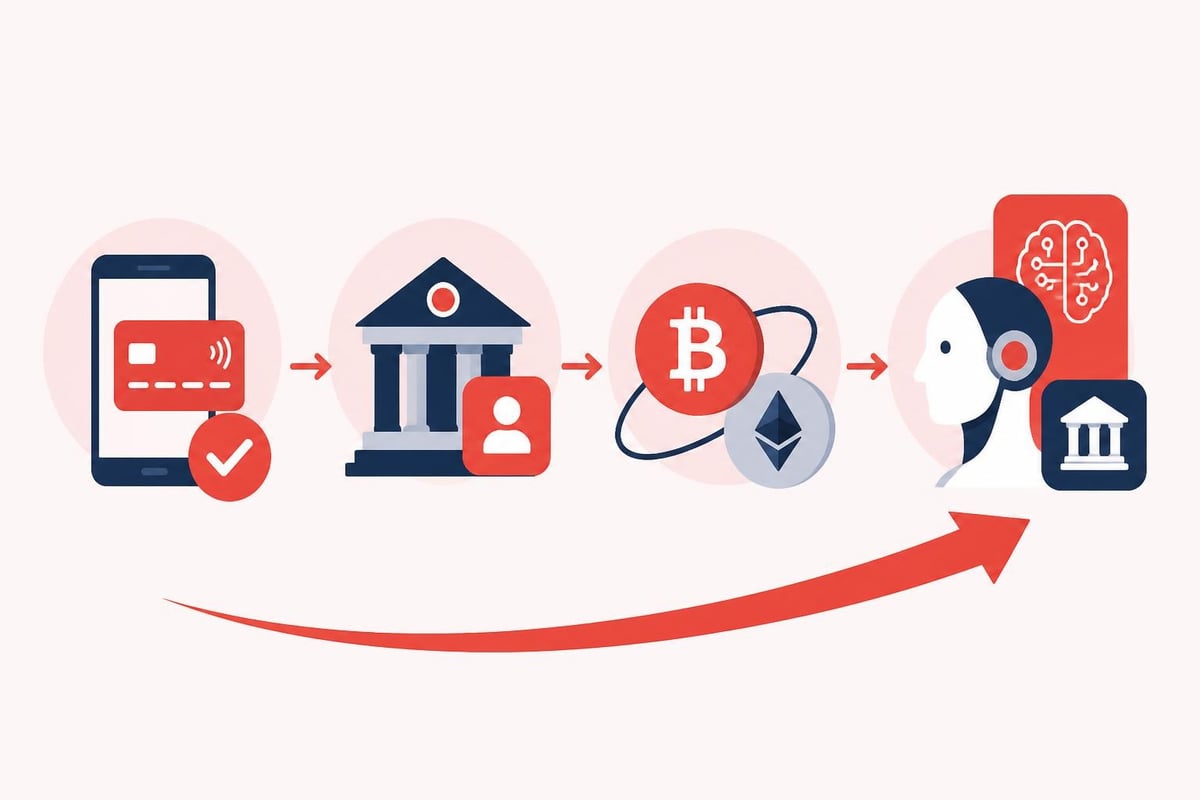
Financial technology remains one of the most attractive sectors for top 10 start up ventures. The digitization of banking, payments, and investment continues accelerating, creating opportunities for nimble startups.
One breakthrough startup has revolutionized cross-border payments for small businesses, reducing transaction costs by 80% compared to traditional banks. Their embedded finance platform allows e-commerce companies to offer financial services directly within their applications.
Fintech innovation areas showing strong growth:
- Embedded finance and banking-as-a-service
- Cryptocurrency infrastructure and DeFi platforms
- AI-powered fraud detection and risk management
- Open banking and API-first financial platforms
- Micro-investing and fractional ownership solutions
| Fintech Segment | Market Size 2026 | Growth Rate | Key Challenge |
|---|---|---|---|
| Embedded Finance | $138B | 32% YoY | Regulatory complexity |
| DeFi Platforms | $89B | 45% YoY | Security and trust |
| Payment Processing | $156B | 18% YoY | Margin compression |
| Wealth Management | $72B | 28% YoY | Customer acquisition cost |
The entrepreneur journey in fintech requires particular attention to compliance and regulatory relationships, making mentorship especially valuable.
Healthcare Innovation Through Technology
Digital health startups comprise a significant portion of top 10 start up rankings globally. The convergence of AI, wearable technology, and genomics enables personalized medicine at unprecedented scale.
A standout company uses machine learning to predict patient health deterioration 48 hours before clinical symptoms appear. Hospitals using their platform have reduced emergency interventions by 35% while improving patient outcomes. Their success demonstrates how healthcare startups can generate both social impact and strong commercial returns.
Telemedicine and Remote Care
The pandemic permanently shifted healthcare delivery models. Remote monitoring and virtual care platforms continue expanding, addressing physician shortages and improving access in underserved areas.
Successful health-tech startups share common characteristics:
- Clinical validation through peer-reviewed studies
- Integration with existing electronic health records
- Clear reimbursement pathways from insurers
- Regulatory approvals navigated successfully
- Focus on specific conditions rather than general wellness
For founders interested in this space, startup business coaching can help navigate the complex healthcare regulatory environment.
Enterprise Software Renaissance
The B2B software sector produces consistent winners in any top 10 start up compilation. Companies building workflow automation, collaboration tools, and industry-specific solutions attract strong valuations.
One rapidly growing startup provides vertical SaaS for construction companies, managing everything from project bidding to completion. Their industry-specific approach allows deeper feature sets than horizontal competitors, creating strong customer retention. Annual contract values exceed $50,000, with gross margins above 85%.
Why vertical SaaS outperforms horizontal solutions:
- Higher willingness to pay for specialized features
- Deeper understanding of customer workflows
- Network effects within specific industries
- Lower customer acquisition costs through word-of-mouth
- Opportunities for industry-specific data monetization
The breakthrough startups founded in 2025 demonstrate diverse approaches to enterprise software, from micro-SaaS tools to comprehensive platforms.
Consumer Technology Redefining Daily Life
Direct-to-consumer startups continue capturing attention when they solve genuine problems elegantly. The top 10 start up list includes several companies reimagining everyday experiences.
One notable venture has created a subscription service for sustainable household products, delivered in reusable containers. Their circular economy model eliminates single-use plastics while providing convenience comparable to traditional e-commerce. With over 500,000 subscribers and 90% retention rates, they demonstrate that sustainability and profitability can coexist.
Product-Led Growth Strategies
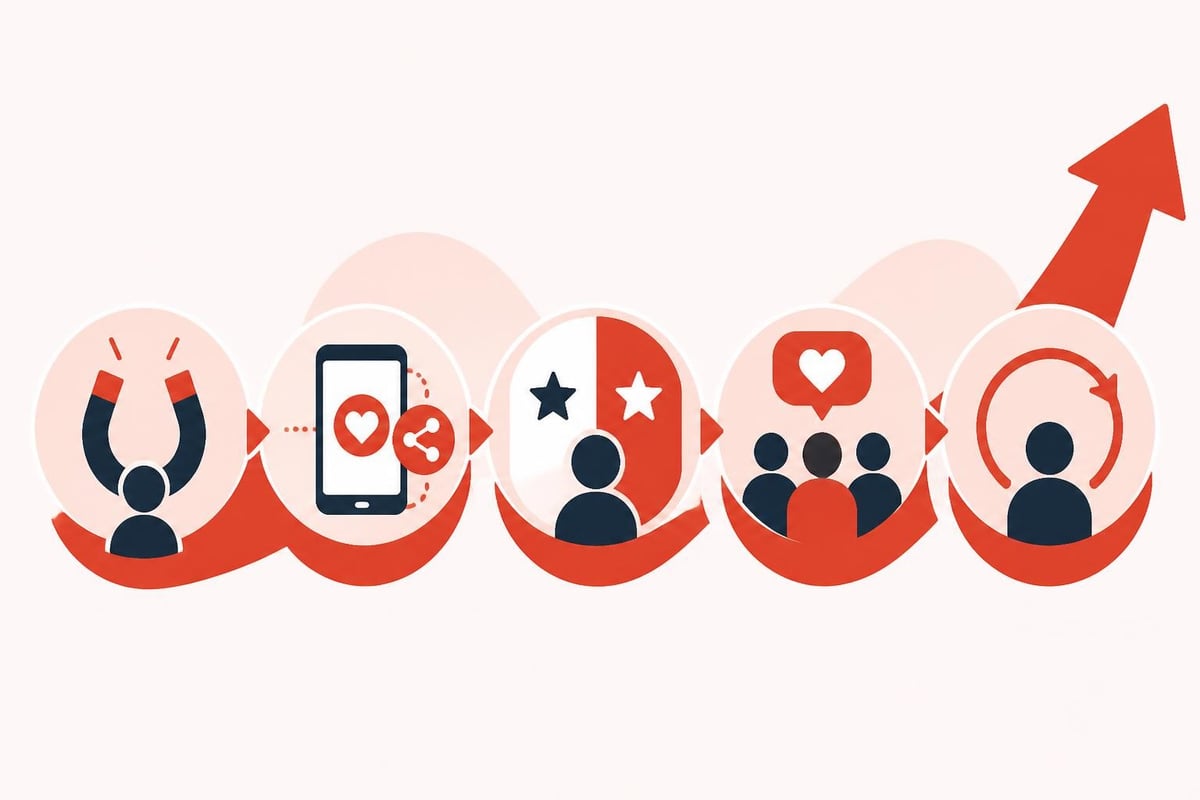
Consumer startups increasingly rely on product-led growth rather than traditional marketing. The product itself becomes the primary driver of customer acquisition through:
- Viral sharing mechanisms built into core features
- Freemium models that showcase value before payment
- Seamless onboarding that delivers quick wins
- Community features that increase engagement
- Referral programs with two-sided incentives
This approach aligns well with entrepreneur tips focused on capital efficiency and organic growth.
Global Expansion Patterns
Geographic strategy separates good startups from great ones in the top 10 start up rankings. Companies that successfully expand beyond their home markets achieve significantly higher valuations.
| Expansion Strategy | Success Rate | Avg. Time to Profitability | Capital Required |
|---|---|---|---|
| Regional First | 68% | 18 months | Moderate |
| Global from Day 1 | 34% | 36 months | High |
| Digital-First Markets | 72% | 12 months | Low |
| Strategic Partnerships | 81% | 15 months | Moderate |
The most successful global startups follow a consistent pattern. They achieve strong product-market fit in one market before expanding systematically to similar regions. They localize thoughtfully, adapting products to local preferences while maintaining core value propositions.
Critical factors for international success:
- Local team members who understand cultural nuances
- Payment methods that match regional preferences
- Customer service in local languages and time zones
- Compliance with regional data protection regulations
- Marketing campaigns that resonate culturally
Swiss startups benefit from Switzerland's central European location and multilingual culture. Resources like founder events help entrepreneurs build international networks early.
Valuation Trends and Investment Patterns
Understanding how the top 10 start up companies achieve their valuations provides actionable insights. The richest startups by valuation in 2025 reveal interesting patterns about investor preferences.
Revenue multiples vary significantly by sector:
Software and AI companies command 15-25x revenue multiples, while hardware startups typically receive 3-8x. This gap reflects different margin structures, scalability, and capital requirements. Smart founders position their ventures to capture premium valuations through strategic business model choices.
The funding environment in 2026 favors startups with clear paths to profitability. While growth remains important, investors increasingly value unit economics and capital efficiency. Companies demonstrating positive contribution margins and reasonable customer acquisition costs attract better terms.
Building Investor Relationships
Top-performing startups cultivate investor relationships long before they need capital. They:
- Share regular updates with potential investors quarterly
- Demonstrate progress through metrics rather than narratives
- Build advisory boards with relevant industry experts
- Participate in accelerator programs for credibility
- Leverage warm introductions rather than cold outreach
The Swisspreneur podcast features numerous conversations with successful founders discussing their fundraising journeys, providing Swiss entrepreneurs with practical insights.
Team Building and Talent Acquisition
Every top 10 start up recognizes that exceptional teams build exceptional companies. The war for talent intensifies as tech giants and startups compete for the same skilled professionals.
Successful startups differentiate themselves through:
Mission-driven culture that attracts people seeking purpose beyond compensation. Startups solving meaningful problems find recruiting easier than those pursuing incremental improvements to existing solutions.
Equity compensation structures that align team members with long-term success. The best startups educate employees about equity value and create transparent, fair allocation systems.
Remote-first flexibility that expands the talent pool globally. Companies embracing distributed teams access specialized skills regardless of geography.
For founders navigating team building, understanding co-founder and founder dynamics proves essential for long-term stability.
Learning from Top 10 Start Up Examples
The common threads connecting exceptional startups provide a blueprint for aspiring entrepreneurs. These companies share fundamental characteristics that Swiss founders can emulate.
They start with genuine customer problems, validated through extensive research and early prototypes. They build minimum viable products quickly, then iterate based on user feedback rather than assumptions. They focus relentlessly on a few key metrics that truly drive their business.
Actionable lessons from top startups:
- Solve painful problems, not interesting ones
- Build for a specific audience before expanding
- Establish strong unit economics early
- Create scalable distribution channels
- Protect intellectual property strategically
- Maintain financial discipline throughout growth
Whether you're a solo-preneur or building with co-founders, these principles apply universally. The way to start a business matters less than the execution discipline you bring to it.
The top 10 start up companies profiled here demonstrate diverse paths to success, but share common foundations of innovation, execution, and market timing. Whether you're exploring AI applications, sustainability solutions, or enterprise software, the principles these startups employ remain consistent across industries. Swisspreneur supports Swiss entrepreneurs at every stage of their journey through candid podcast conversations with successful founders, free masterclasses on critical startup skills, regular community events, and investment opportunities through our syndicate, helping you turn insights into action.