

Entrepreneurship In World: The Essential Guide for 2025
Did you know that entrepreneurship in world markets has surged by over 40% in the past decade, making it one of the fastest-growing global movements? This explosive rise is transforming how people launch and scale ideas, creating new opportunities and challenges for everyone.
Whether you are starting out or already running a business, this essential guide is your roadmap to thriving in 2025’s rapidly changing environment. We will empower you with the latest insights, trends, and proven strategies that are shaping entrepreneurship in world regions today.
Get ready to explore emerging trends, tackle global challenges, uncover funding and tech innovations, navigate policy shifts, and build the future skills you need to succeed. Let’s dive in and unlock your path to entrepreneurial success.
The Global State of Entrepreneurship in 2025
The landscape of entrepreneurship in world markets is undergoing rapid transformation. In 2025, entrepreneurs are redefining success and pushing boundaries with innovation and global collaboration. New technologies, shifting consumer values, and evolving support systems are reshaping how ventures launch and grow.
Defining Entrepreneurship in a Changing World
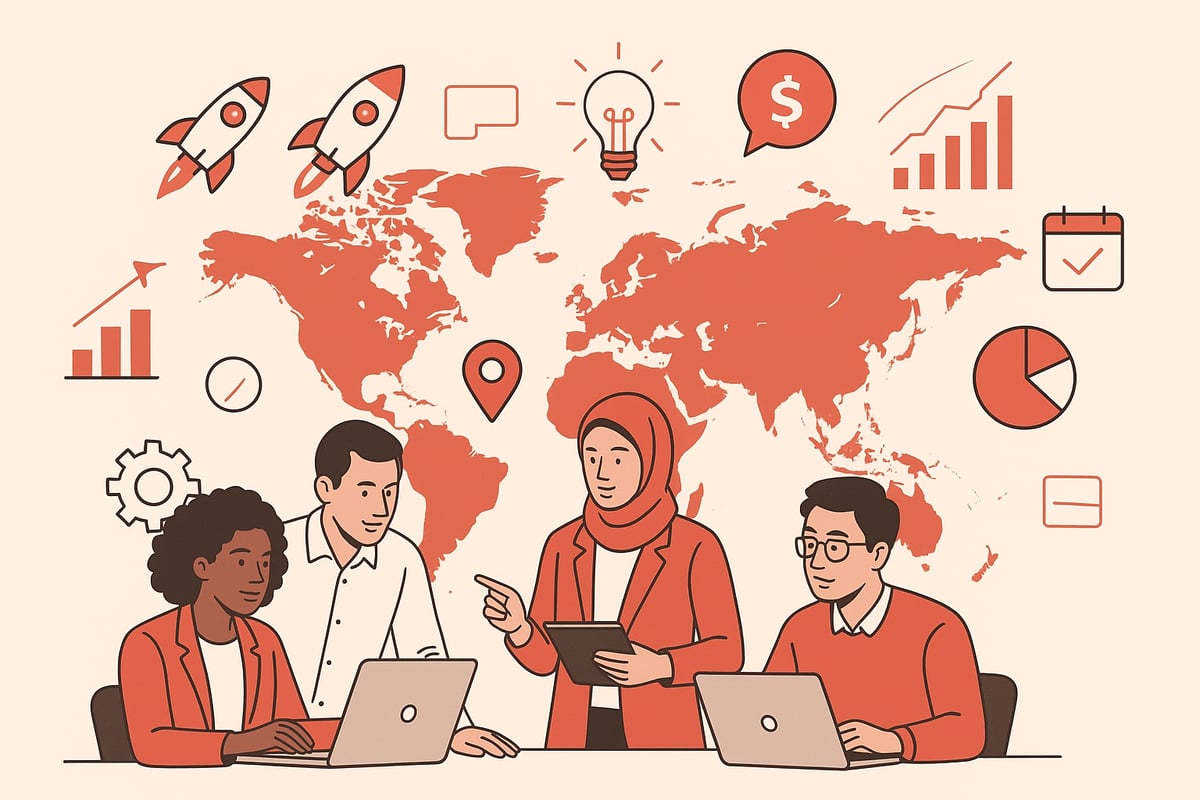
Entrepreneurship in world economies is no longer limited to traditional business ownership. Today’s entrepreneurs are driven by innovation, leveraging digital transformation to create new value. The rise of social entrepreneurship highlights ventures focused on impact, not just profit.
Digital platforms enable founders to launch and scale ideas rapidly. Social impact and sustainability are now integral to the definition of entrepreneurship in world business. As technology blurs borders, entrepreneurs are empowered to solve global challenges.
Key Global Trends Shaping Entrepreneurship
Several trends are shaping the future of entrepreneurship in world markets. The shift to remote and digital-first startups, accelerated by the pandemic, is now a permanent fixture. Sustainability and green business models are gaining ground, with the GEM 2024/2025 Global Report noting a 15% rise in sustainable startups in 2023.
Entrepreneurs are also adopting AI and data-driven strategies to stay competitive. These trends reflect a broader movement toward purpose-driven innovation, making entrepreneurship in world settings more adaptive than ever.
Regional Hotspots and Emerging Markets
Regional ecosystems are fueling entrepreneurship in world regions. Asia’s startup hubs, such as India, Singapore, and China, are growing rapidly. In Africa, fintech and mobile solutions are leapfrogging traditional banking, with Nigeria’s fintech sector attracting over $1.2 billion in investment in 2023.
Emerging markets in Latin America and Eastern Europe are also making strides. These hotspots offer unique opportunities for founders, showing that entrepreneurship in world economies is truly global and diverse.
The Rise of Female and Minority Entrepreneurs
Diversity is a powerful force in entrepreneurship in world startup scenes. Female and minority founders are breaking barriers and driving innovation. In 2024, female-founded startups accounted for 20% of new ventures globally, according to Startup Genome.
While underrepresented entrepreneurs still face challenges, new support networks and funding initiatives are making a difference. This shift is creating more inclusive opportunities and strengthening the foundation of entrepreneurship in world markets.
The Role of Policy and Government Support
Government policies play a crucial role in shaping entrepreneurship in world markets. Startup visa programs and innovation grants are opening doors for international founders. France’s “La French Tech” and Canada’s Startup Visa are prime examples of supportive initiatives.
Regulatory changes, such as streamlined business registration and tax incentives, help foster vibrant ecosystems. These efforts ensure that entrepreneurship in world economies remains competitive and accessible.
Challenges Facing Entrepreneurs Worldwide
Despite opportunities, challenges persist for entrepreneurship in world contexts. Funding gaps, talent shortages, and economic volatility are top concerns. Navigating cross-border regulations and cultural differences adds complexity.
According to GEM 2024, 60% of startups cite access to capital as their biggest hurdle. Entrepreneurs must also adapt quickly to changing market conditions, making resilience a vital trait for success in entrepreneurship in world ventures.
Key Steps to Launching a Successful Venture in 2025
Launching a successful venture in 2025 requires more than a great idea. The landscape of entrepreneurship in world markets is dynamic, so each step in your journey should be intentional and informed by global best practices.

Step 1: Identifying High-Potential Opportunities
The first step in entrepreneurship in world markets is spotting opportunities with real growth potential. Use advanced market research tools to analyze trends and emerging needs. Look for gaps in industries like healthtech and AI, where demand is surging.
- Track consumer pain points in real time.
- Leverage online analytics to measure demand shifts.
- Monitor regulatory changes that open new markets.
For example, AI-driven health solutions are gaining traction globally. By staying alert and curious, you can identify opportunities others might miss.
Step 2: Building a Resilient Business Model
Building a resilient business model is crucial for entrepreneurship in world environments. Your model should adapt to change and scale efficiently across borders.
- Prioritize adaptability so your venture can pivot quickly.
- Integrate sustainability and social impact from the start.
- Study circular economy startups that attract investor interest.
Learning from lessons in entrepreneurship success can help you avoid common pitfalls and refine your approach for long-term viability.
Step 3: Assembling a Diverse and Skilled Team
A strong team is the backbone of entrepreneurship in world ventures. Prioritize diversity and interdisciplinary skills to drive innovation and resilience.
- Tap into global talent pools using remote platforms.
- Foster cultural competence for international growth.
- Build teams with complementary expertise.
Research shows that diverse teams outperform homogeneous ones by 35 percent. The right mix of skills and perspectives drives breakthrough results.
Step 4: Securing Funding and Investment
Securing funding is a cornerstone of entrepreneurship in world settings. Explore a range of sources, from angel investors and venture capital to crowdfunding and grants.
- Consider alternative models like revenue-based financing.
- Use crowdfunding platforms, which enabled $34B in startup funding in 2024.
- Prepare a compelling pitch tailored to your audience.
Understanding the pros and cons of each funding type will help you choose what fits your business stage and goals.
Step 5: Navigating Legal and Regulatory Landscapes
Legal strategy is non-negotiable for entrepreneurship in world contexts. Protect your intellectual property, ensure data privacy, and stay compliant with local laws.
- Engage local advisors for market-specific guidance.
- Use legal tech tools to streamline compliance.
- Study regulations like GDPR, which shape business practices in Europe.
Navigating these complexities early prevents costly mistakes and builds trust with partners and customers.
Step 6: Go-to-Market and Scaling Strategies
Your go-to-market plan is the final piece in entrepreneurship in world success. Digital marketing, influencer partnerships, and localization are key to rapid growth.
- Apply lean startup methods for fast iteration.
- Leverage agile strategies to scale 30 percent faster.
- Adapt your messaging for each regional market.
By focusing on scalable systems and customer feedback, you can expand your reach and ensure your venture thrives in any market.
Innovation and Technology: Driving the Next Wave of Entrepreneurship
Innovation and technology are fueling a new era for entrepreneurship in world. Today’s entrepreneurs are not just business creators, but pioneers who use cutting-edge tools to solve global challenges and disrupt entire industries.

The Role of AI, Automation, and Data Analytics
Artificial intelligence is at the heart of entrepreneurship in world, transforming decision-making and business operations. AI-powered models help founders predict market shifts, automate repetitive tasks, and personalize customer experiences. Automation tools, from robotic process automation to smart workflows, streamline operations and cut costs, giving startups a competitive edge.
Data analytics allows entrepreneurs to spot trends and optimize strategies in real time. For example, AI chatbots are now standard in customer service, handling thousands of queries instantly and improving user satisfaction. According to the Global Startup Ecosystem Report 2024, investment in generative AI and analytics is surging, making these technologies vital for anyone seeking to lead in entrepreneurship in world.
Blockchain, Web3, and Decentralized Startups
Blockchain is redefining trust and transparency for entrepreneurship in world. Decentralized ledgers secure transactions and simplify funding, while smart contracts automate agreements across borders. The rise of Web3 brings new business models, like decentralized autonomous organizations (DAOs), where communities, not just executives, shape company direction.
In 2023, Web3 startups raised $7B, signaling strong momentum for decentralized innovation. Entrepreneurs are leveraging tokenization to incentivize users and open up new streams of value. This shift is making entrepreneurship in world more inclusive, as founders can access global capital and talent pools without traditional gatekeepers.
Green Tech and Sustainable Innovation
Sustainability is now a core pillar of entrepreneurship in world. Cleantech startups are tackling climate change by developing renewable energy, waste reduction, and circular economy solutions. Environmental, Social, and Governance (ESG) criteria are increasingly influencing investor decisions, with 60% of VCs prioritizing ESG in their portfolios.
Entrepreneurs are embedding green practices from day one, not just as a trend but as a business imperative. Innovations like carbon capture, smart grids, and eco-friendly materials are gaining traction. As the world demands responsible growth, sustainable entrepreneurship in world is setting the standard for the next generation of founders.
Healthtech, Edtech, and Other High-Growth Sectors
The pandemic has accelerated entrepreneurship in world, especially in healthtech and edtech sectors. Telemedicine startups have grown by 300% since 2020, making healthcare more accessible and efficient. Edtech platforms are reaching millions globally, bridging skill gaps and reimagining learning.
Beyond these, agtech, fintech, and mobility startups are booming as well. Entrepreneurs are leveraging technology to solve real-world problems, from food security to digital payments. These high-growth sectors exemplify how entrepreneurship in world is driven by innovation and a focus on societal impact.
Leveraging Global Collaboration and Open Innovation
Global partnerships are becoming the backbone of entrepreneurship in world. Cross-border collaborations, innovation hubs, and open-source platforms are enabling rapid prototyping and knowledge sharing. International hackathons bring together diverse talent to solve complex problems and drive breakthrough solutions.
Open innovation encourages founders to co-create with users and peers, accelerating time-to-market and reducing risk. By tapping into global networks, entrepreneurs can access funding, mentorship, and resources that might be unavailable locally. This spirit of collaboration is shaping the future of entrepreneurship in world, making it more agile and resilient.
Entrepreneurial Ecosystems and Support Networks
The journey of entrepreneurship in world is rarely a solo endeavor. Thriving ventures often emerge from vibrant ecosystems enriched with resources, networks, and support systems. These environments empower founders to overcome challenges and drive innovation.
The Importance of Local and Global Ecosystems
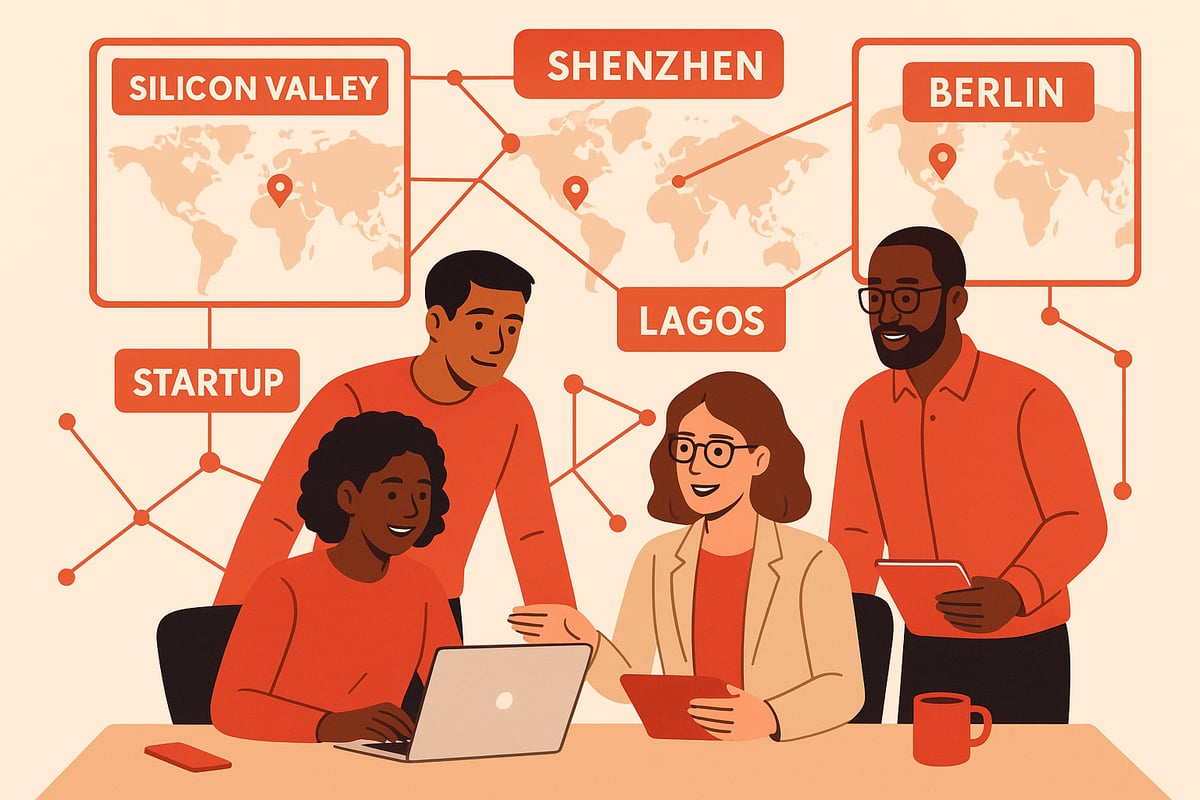
Strong ecosystems are the backbone of entrepreneurship in world. Cities like Silicon Valley, Shenzhen, and Berlin have become benchmarks, offering founders critical infrastructure, funding access, and a culture of innovation.
Incubators and accelerators provide startups with mentorship, seed funding, and workspace. Co-working spaces foster collaboration, while proximity to investors and experienced entrepreneurs accelerates growth.
According to Startup Genome, startups based in robust ecosystems are four times more likely to succeed. These hubs connect local talent with global networks, creating fertile ground for entrepreneurship in world.
Accessing Mentorship, Education, and Peer Support
Mentorship is a game-changer for entrepreneurship in world. Experienced founders offer guidance, helping newcomers avoid common pitfalls and make strategic decisions.
Online masterclasses, peer groups, and networking events break down geographic barriers. Platforms like Y Combinator’s alumni network demonstrate how shared knowledge and support can drive success.
Entrepreneurs who actively seek mentorship and peer connections report higher resilience and faster business growth. This collaborative spirit is central to the ongoing evolution of entrepreneurship in world.
Government and NGO Support Programs
Institutional support plays a crucial role in entrepreneurship in world. Governments and NGOs offer grants, competitions, and training to nurture early-stage founders and stimulate innovation.
Public-private partnerships often unlock new funding channels and provide access to regulatory expertise. For a deeper dive on this topic, see institutional support for entrepreneurs, which covers how policy initiatives and government programs shape entrepreneurial success.
Examples include the UNDP’s entrepreneurship programs in developing countries, which bridge gaps in education and capital. These resources help create inclusive opportunities for entrepreneurship in world.
The Role of Entrepreneurial Media and Communities
Podcasts, newsletters, and online forums have become essential learning platforms for entrepreneurship in world. Communities like Indie Hackers foster knowledge-sharing and peer accountability.
Engagement in these media channels connects founders with industry trends, real-time advice, and inspirational stories. Forbes reports that 70 percent of entrepreneurs participate in online communities for support.
By tapping into these networks, individuals strengthen their understanding and expand their reach in the landscape of entrepreneurship in world.
Building a Personal Support System for Resilience
The demands of entrepreneurship in world can be intense, making personal support systems vital. Founders benefit from prioritizing mental health, work-life balance, and emotional resilience.
Access to coaching, therapy, and peer support groups helps manage stress and prevent burnout. Many accelerators now offer founder wellness initiatives, recognizing that resilient entrepreneurs build stronger companies.
By investing in personal well-being, individuals are better equipped to navigate the unpredictable path of entrepreneurship in world.
Funding, Investment, and Financial Strategies for 2025
Securing the right funding is a pivotal step for anyone exploring entrepreneurship in world markets. With evolving trends and a competitive landscape, founders must understand both traditional and emerging sources of capital. Adapting financial strategies in 2025 will help entrepreneurs stay ahead, manage risks, and unlock long-term value.
Traditional and Alternative Funding Sources
Navigating funding options is essential for success in entrepreneurship in world markets. Entrepreneurs today can choose from classic sources like angel investors, venture capital, and bank loans, along with newer alternatives such as crowdfunding and revenue-based financing.
Pros and Cons of Funding Sources
| Source | Pros | Cons |
|---|---|---|
| Angel Investors | Flexible, mentorship | Limited capital |
| Venture Capital | Large sums, networking | Equity dilution |
| Crowdfunding | Market validation, reach | Time-intensive |
| Bank Loans | No equity loss | Strict requirements |
For a deeper dive into how funding choices align with global trends, explore Global business entrepreneurship insights.
Navigating the Global Investment Landscape
The entrepreneurship in world context is shaped by cross-border investment trends and the rise of international syndicates. Startups are increasingly attracting funds from investors beyond their home regions, especially in hotspots like Southeast Asia, where 2023 saw record-breaking venture funding.
When seeking global investment, founders must consider legal and tax implications, as well as the nuances of international markets. Understanding regulations and building relationships with international partners can make or break a funding round.
Staying updated on market shifts and leveraging specialized advisors will empower entrepreneurs to navigate this evolving landscape with confidence.
Financial Planning, Forecasting, and Risk Management
Effective financial management is the cornerstone of sustainable entrepreneurship in world economies. Entrepreneurs should build robust financial models, monitor burn rates, and use scenario planning to prepare for economic uncertainty.
Top Tools for Startup Finance
- SaaS accounting platforms (e.g., QuickBooks, Xero)
- Burn rate and runway calculators
- Automated forecasting tools
Stress testing financial plans helps identify potential risks before they escalate. Adopting these tools ensures founders can adapt quickly and maintain financial health, even in volatile global markets.
Exit Strategies and Long-Term Value Creation
A forward-thinking approach to entrepreneurship in world ventures includes planning for exits and creating long-term value. Whether targeting IPOs, acquisitions, or secondary markets, founders should understand their options and timelines.
In 2023, European tech exits reached $90B, demonstrating the rewards of a well-executed strategy. Building for sustainable growth is just as important as short-term gains, ensuring the business remains valuable and resilient for years to come.
Setting clear milestones and aligning with investor expectations positions startups for successful exits and lasting impact.
The Future of Entrepreneurship: Skills, Mindsets, and Predictions
The future of entrepreneurship in world is rapidly evolving, with skills, mindsets, and predictions shaping the next generation of leaders. As 2025 approaches, entrepreneurs must prepare for a landscape defined by digital transformation, global connectivity, and continuous change.
Essential Skills for Entrepreneurs in 2025
To succeed with entrepreneurship in world, adaptability and digital literacy are non-negotiable. Entrepreneurs need to master emerging technologies, from AI to data analytics, to stay ahead of the curve. Soft skills like emotional intelligence and cross-cultural communication are equally vital, enabling founders to build strong teams and navigate global markets.
Key skills for 2025 include:
- Digital literacy: Understanding and leveraging new platforms.
- Adaptability: Responding quickly to market shifts.
- Emotional intelligence: Leading with empathy and self-awareness.
Lifelong learning is crucial, as 85% of jobs in 2030 may not exist yet (WEF). Entrepreneurs who invest in upskilling will remain resilient and competitive in the ever-changing landscape of entrepreneurship in world.
Mindsets That Drive Entrepreneurial Success
A growth mindset is at the heart of successful entrepreneurship in world. Resilience, curiosity, and a willingness to learn from failure set top founders apart. In fact, 70% of successful founders report multiple past failures (CB Insights), proving that setbacks are stepping stones to future achievements.
Global perspective is another essential mindset. Entrepreneurs who embrace diversity and learn from international peers thrive in cross-border ventures. Need inspiration? Explore successful international entrepreneurs stories to see how perseverance and innovation pay off worldwide.
Building these mindsets not only fuels personal growth but also strengthens the broader ecosystem of entrepreneurship in world.
Predictions for the Next Decade of Entrepreneurship
Looking ahead, the landscape of entrepreneurship in world will be shaped by three major forces: AI, decentralization, and demographics. Artificial intelligence will automate routine tasks, allowing founders to focus on strategy and creativity. Decentralized business models, powered by blockchain, will redefine trust and ownership. Demographic shifts, such as Gen Z’s entrepreneurial spirit, are set to drive a surge in new ventures—50% of Gen Z aspire to launch their own business (Deloitte).
Purpose-driven startups will become the norm, as consumers demand social and environmental responsibility. Staying agile and open to new trends will be key for anyone pursuing entrepreneurship in world.
Resources for Ongoing Learning and Growth
To keep pace with rapid changes in entrepreneurship in world, founders must tap into a wide range of learning opportunities. Online courses like Coursera, global conferences such as TechCrunch Disrupt, and local startup summits offer valuable insights and networking.
Key resources include:
- Online courses for upskilling
- Global conferences for trendspotting
- Innovation labs for hands-on experience
Staying connected to these resources ensures entrepreneurs remain at the forefront of innovation and growth in entrepreneurship in world.
We’ve just explored the trends, challenges, and skills shaping entrepreneurship around the world in 2025—and I know how valuable real stories and practical advice can be when you’re on your own startup journey. If you’re eager to learn directly from successful founders and industry experts, you’ll love what Swisspreneur has to offer. Dive into honest conversations packed with insights, lessons learned, and strategies you can apply right now by tuning in to our podcast. It’s the perfect way to keep growing, stay inspired, and connect with the Swiss startup community.
Listen to our podcast